
Insights
Practical guides and case notes on construction and commercial law in Western Australia. We explain recent court decisions and key processes, including security of payment claims and adjudication, statutory demands and building disputes, and what they mean for principals, contractors and owners.

Assessing payment claims and getting the payment schedule right under WA’s Security of Payment Act
How to assess progress claims under AS 2124 and AS 4000, and how to give a valid payment schedule under WA’s Security of Payment Act: timing, content, reasons and payment certificates.

Extensions of time, delay costs and time bars: claiming and assessing delay
How extension of time claims are made and assessed under AS 2124 and AS 4000, with a short guide to delay costs and the time bars that so often decide these claims.

Project correspondence: tips for letters, notices and meeting minutes on construction projects
Practical tips for principals, superintendents and contractors on drafting construction project correspondence, giving and responding to notices, and recording project meetings.

Variations in construction contracts: directing, claiming and valuing changes to the work
How variations work under AS 2124 and AS 4000: the limits of the variation power, directing variations properly, directions not called variations, and how variations are valued.

Builders’ liability in WA - the key risks every builder should understand
An overview of the main sources of liability for builders in WA, including contract, negligence, the Australian Consumer Law, Building Commission complaints, the Home Building Contracts Act and security of payment, and the time limits that apply.

Getting paid - WA’s Security of Payment Act - payment claims, payment schedules and adjudication
A practical guide to getting paid under WA’s Security of Payment Act: preparing payment claims, responding with payment schedules, the key timeframes, adjudication and enforcing a determination.

Building complaints in WA: how the Building Commission process works
Defective work or a dispute under a home building contract? Here’s how the Building Commission complaint process works, from the notice of proposed complaint to the State Administrative Tribunal.

Issuing a statutory demand: a step-by-step guide for construction contractors
A statutory demand can bring a payment dispute to a head quickly, but used wrongly it can be set aside with costs. Our step-by-step guide explains when to use one and how the process works.

Two bites at the cherry: statutory demand based on SOPA determination set aside as an abuse of process
A subcontractor’s statutory demand based on an adjudication determination was set aside because it had already sued for overlapping amounts. The Court also confirmed that offsetting claims rejected by an adjudicator can still be relied on.

Not so summary: Supreme Court refuses SOPA summary judgment over Australian Consumer Law defence
Missing a payment schedule deadline doesn’t always mean a quick win in court. The Supreme Court refused summary judgment on a SOPA claim because of an arguable conflict with the Australian Consumer Law.

Pay now, argue later: Supreme Court refuses to suspend enforcement of SOPA adjudication judgments
Can a principal put enforcement of an adjudication on hold while it pursues a bigger claim? Not without strong, admissible evidence that the contractor can’t repay, as Monadelphous found when its suspension application was dismissed.
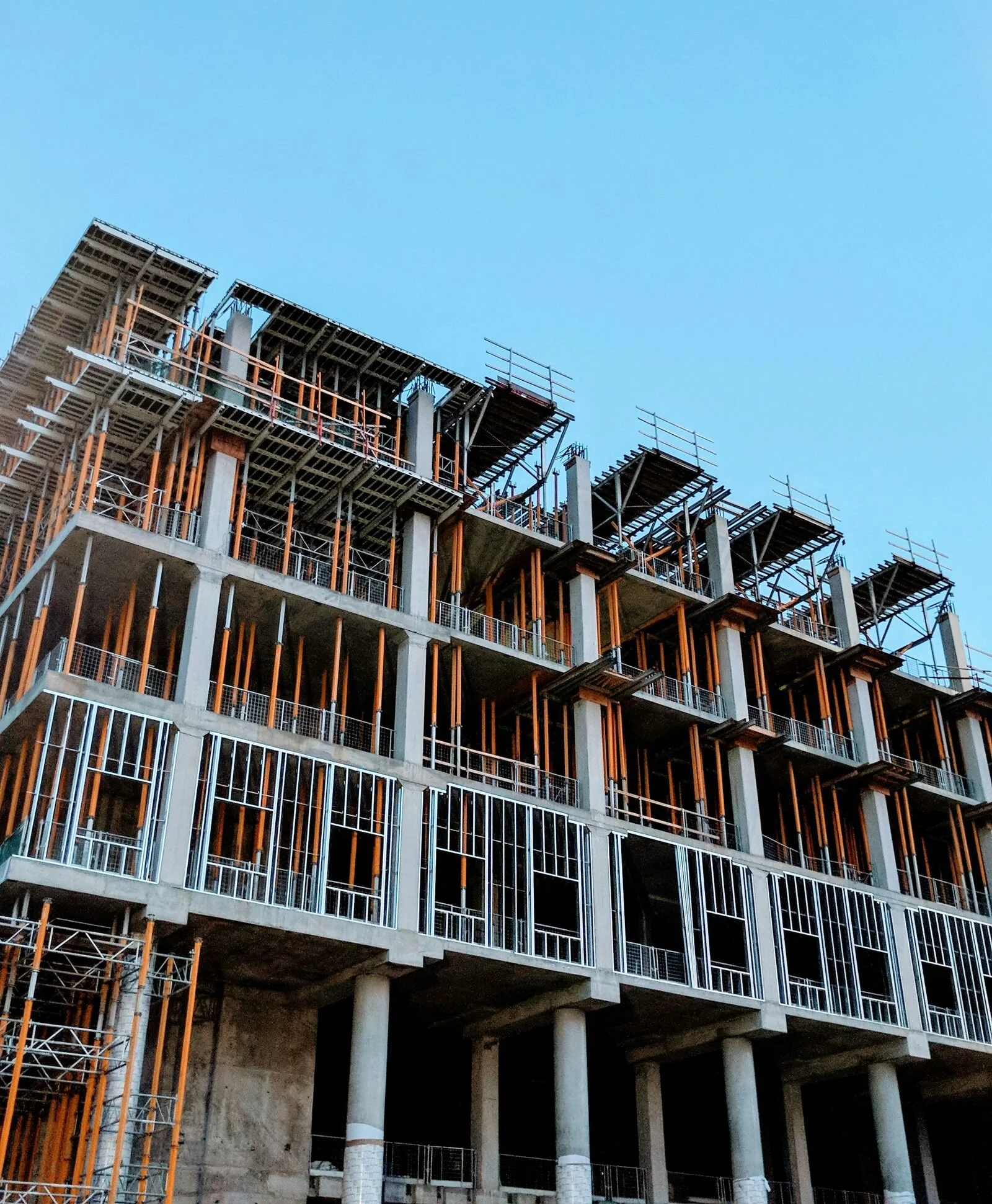
Say it plainly: Supreme Court partly sets aside SOPA adjudication over overlooked set-offs
The Supreme Court has partly set aside a SOPA adjudication because the adjudicator overlooked set-offs the head contractor had raised. The decision is a reminder to state every point clearly, in plain language, in your payment schedule.

A Saturday email, a missed deadline and a $22.6 million bill: WA Court of Appeal confirms the SOPA clock can’t be moved by contract
The WA Court of Appeal has confirmed that an emailed SOPA payment claim is made when it lands in the recipient’s inbox, even on a weekend, and a contract clause can’t move the clock. Missing the 15 business day deadline cost one principal more than $22.6 million.